
The Price of Knowing the Future
The Time Traveler's WifeThis thread explores how foreknowledge offers comfort and practical advantage while intensifying helplessness and ethical unease.
increasing Bearing strength in each event
 decreasing
Bearing strength in each eventdecreasingDates Written Before Their Cause
Dates Written Before Their Cause
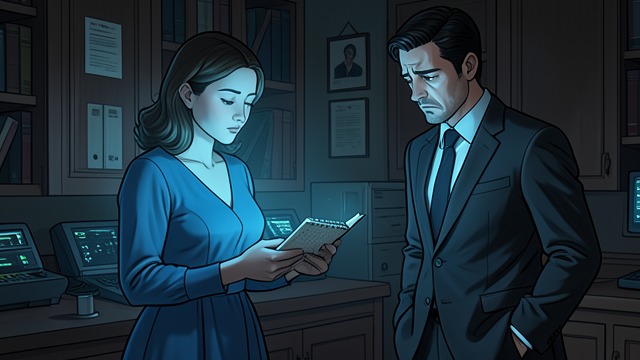
Henry supplies the calendar
Henry writes future visit dates for Clare, who keeps them in her blue diary. Some encounters depend on information that seems to circle back to its own origin.
A record organizes a paradox
The list helps Clare meet Henry but cannot explain why the dates exist. Their relationship makes time feel less like a line than a loop in which later knowledge is already part of earlier life.
A Choice That Cannot Be Undone
A Choice That Cannot Be Undone
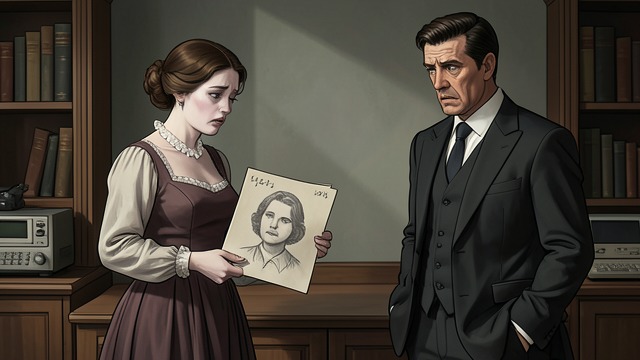
A drawing acquires a date
Clare asks whether changing a detail on a drawing might alter the future. Henry says they can test the idea, and she writes a date on a portrait he remembers without one.
The future keeps its outline
Clare later trims the date away, frightened that she may have changed their lives. The episode leaves her with evidence that even small actions can feel consequential when the future is partly known.
A Lottery With Known Numbers
A Lottery With Known Numbers
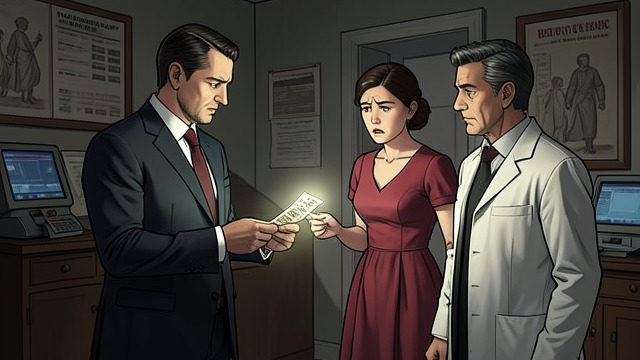
Foreknowledge becomes money
Henry buys a ticket using numbers he knows will win. Clare objects that the result is not earned through a fair chance, even though the money could give her a large studio.
Ethics enters domestic life
The episode makes a private moral question out of time travel’s practical advantage. Clare must decide whether using future knowledge is clever care or an unjust manipulation of ordinary uncertainty.
The Future as a Trap
The Future as a Trap
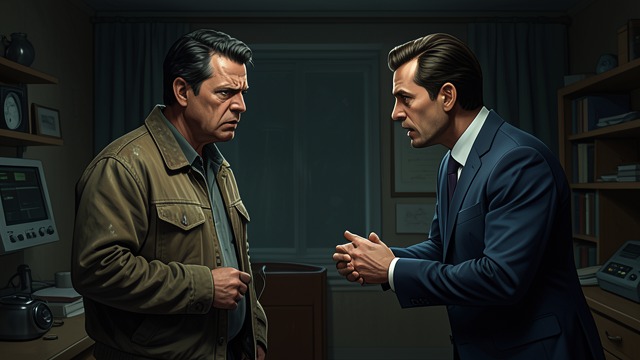
Henry refuses to provide predictions
Gomez asks Henry to disclose his future. Henry resists, arguing that foreknowledge can make choices feel predetermined and can damage the freedom people experience in their own present.
Restraint becomes an ethical choice
Henry’s refusal protects Gomez from details he cannot change. It also reveals a limit of their intimacy: caring for someone may require withholding information rather than sharing everything.
The Past Repeats at the End
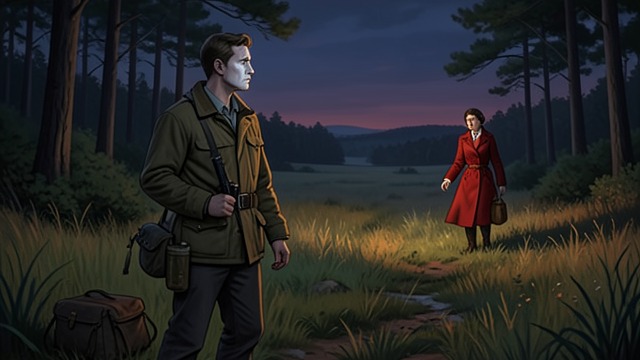
The Past Repeats at the End
The scene Henry has foreseen
Henry knows that a hunting accident in the meadow will kill him. His arrival in the past fulfills the event Clare once glimpsed without understanding.
Knowledge does not become rescue
The final repetition confirms that foreknowledge cannot always prevent suffering. The fixed event brings the story’s philosophical debate into the body, where understanding and love cannot undo the shot.
September 23, 1977
September 11, 1988
April 13, 1994
December 22, 1991
October 27, 1984 / January 1, 2007
